Produce Season Reefer Playbook: Protect Temperature, Time, and Profit

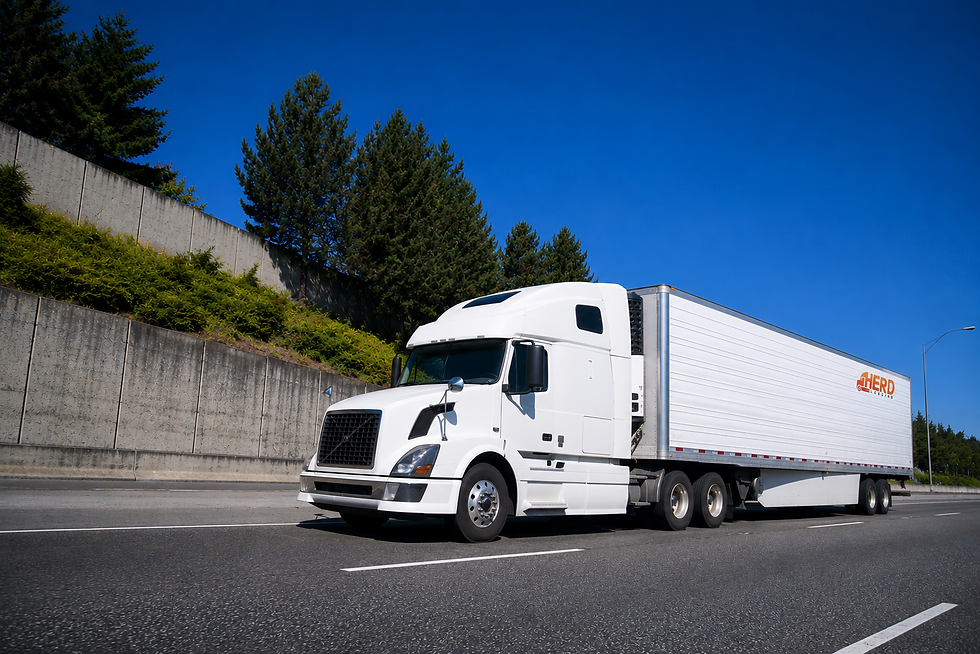
Produce season can be some of the best freight of the year for refrigerated carriers. It can also be some of the least forgiving. Loads move fast, appointment windows get tight, and small mistakes with temperature, airflow, fuel, or paperwork can turn a profitable run into a claim or a long unpaid wait.
The fleets that do well in produce season usually have a simple playbook. They do not rely on luck, and they do not treat every refrigerated load the same. They prepare the trailer, protect the driver’s time, and keep communication clear from pickup through delivery.
Pre-Cool Before the Dock, Not During the Load
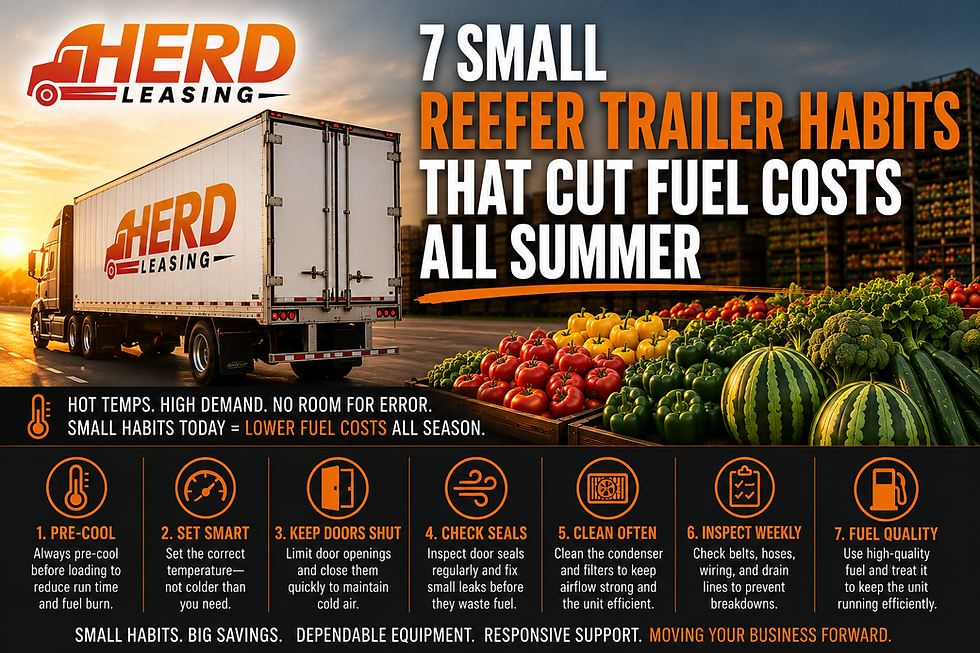
A reefer trailer should arrive ready for the product, not start getting ready after the shipper opens the doors. Pre-cooling helps the trailer stabilize before loading, but it only works when the unit, set point, airflow, and fuel level are checked ahead of time.
Drivers should verify the set point against the load instructions and note any mismatch before freight goes on the trailer. Dispatch should make sure drivers have enough time to pre-cool properly instead of building a schedule that forces everyone to rush at the dock.
Respect Airflow Like It Is Part of the Load
Produce is not just cold freight. It is living freight, and airflow matters. Blocked chutes, poor loading patterns, damaged bulkheads, bad door seals, or freight pressed too tight against the walls can create warm spots even when the reefer unit sounds fine.
Before loading, check the trailer interior, chute condition, floor channels, drains, and door seals. After loading, make sure the trailer is sealed properly and that the unit is running in the correct mode for the commodity and customer instructions.
Protect Driver Time at Farms, Sheds, and Coolers
Produce freight often involves locations that do not operate like a standard warehouse. Fields, packing sheds, cold storage facilities, and seasonal shipping points can change quickly depending on harvest timing, weather, labor, and product availability.
Good dispatching starts before the truck is committed. Confirm pickup details, hours, check-in rules, scale requirements, washout expectations, parking options, and whether the product is actually ready. A driver sitting all day at the wrong place is not making money, and neither is the trailer.
Watch the Money, Not Just the Rate
A strong produce rate can disappear if the load burns too much time, fuel, and maintenance margin. Long waits, rejected pallets, extra washouts, multiple pickups, missed appointments, and poor routing can all cut into profit.
Owner-operators and small fleets should look at the full run, not just the headline rate. Ask how many pickup stops are involved, how tight the receiver appointment is, whether detention is realistic, and whether the lane leaves the truck in a good market after delivery.
Keep Paperwork and Temperature Records Clean
Produce claims often turn on details. Arrival time, pulp temperature instructions, seal numbers, set point, reefer status, bills, and customer notes should be documented clearly. Drivers should avoid signing paperwork that does not match what happened without adding a clear note.
This is not about turning drivers into lawyers. It is about building a clean record so the fleet can explain the load honestly if a customer, broker, or receiver has questions later.
Where Leasing Helps During Produce Season
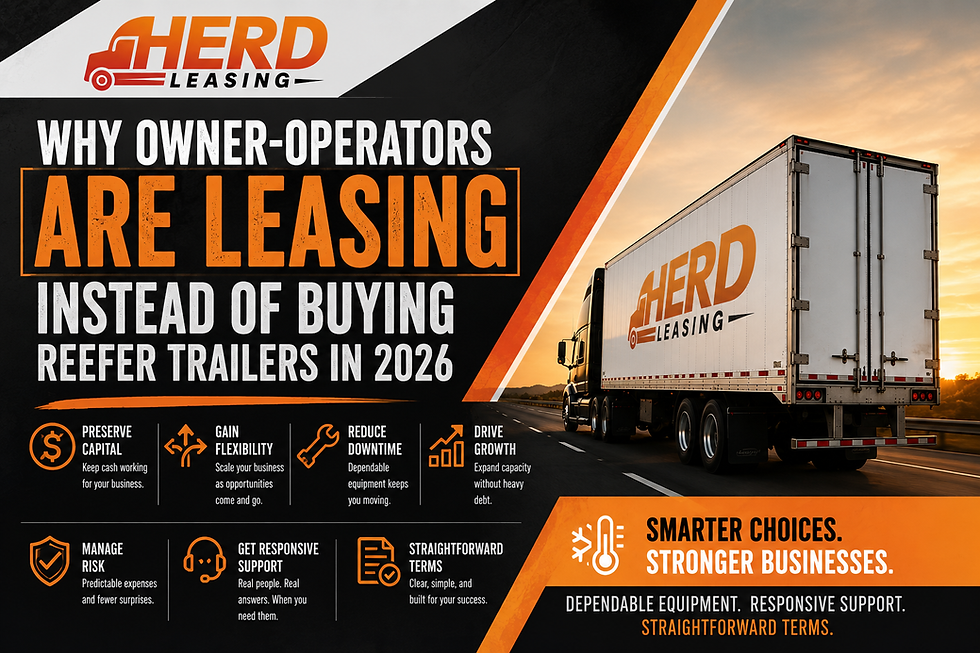
Produce season can create short bursts of demand. A distributor may need extra refrigerated capacity for a few busy weeks. A carrier may need backup trailers while regular equipment is tied up. A shipper may need flexibility without buying trailers that sit later in the year.
Refrigerated trailer leasing gives fleets a way to add capacity for seasonal freight while keeping purchasing decisions separate from temporary demand. The right trailer at the right time can help protect customer relationships and keep good loads from being turned away.
Produce Season Checklist
Pre-cool the trailer before arriving at the shipper.
Verify set point, fuel, alarms, and operating mode before loading.
Inspect door seals, chutes, drains, and floor channels for airflow problems.
Confirm pickup location, hours, washout needs, and loading status before dispatch.
Document seal numbers, times, temperature instructions, and any delays.
Review the full lane economics, not only the posted rate.
Bottom Line
Produce season rewards fleets that stay disciplined. The best operators protect temperature, protect time, and protect the driver’s ability to make good decisions on the road.
HERD Leasing helps carriers, food distributors, agricultural shippers, and owner-operators add refrigerated trailer capacity when seasonal demand calls for more flexibility.
Comments