7 Small Reefer Trailer Habits That Cut Fuel Costs All Summer

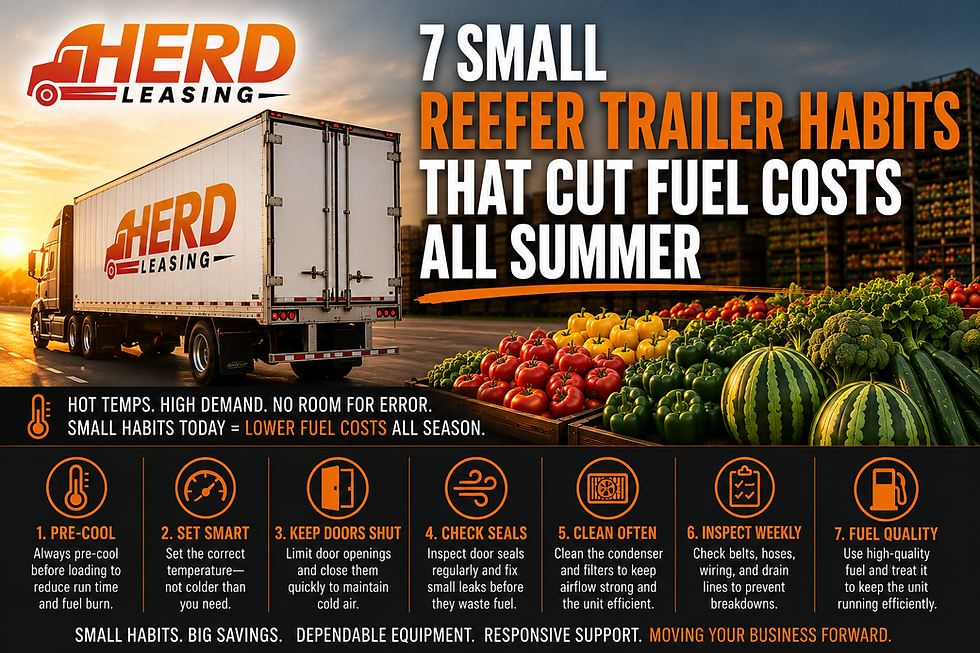
Summer freight season puts extra pressure on refrigerated trailers. Higher outside temperatures force reefer units to work harder, fuel consumption climbs, and small maintenance issues become expensive breakdowns fast. The good news is that many fleets and owner-operators can lower operating costs with a few simple habits that improve efficiency without sacrificing cargo protection.
Here are seven field-tested ways drivers and fleet managers can reduce reefer operating costs during hot weather while keeping deliveries on schedule.
1. Pre-Cool the Trailer Before Loading
One of the biggest mistakes in refrigerated freight is loading warm product into a hot trailer and expecting the reefer to catch up later. Pre-cooling the trailer before loading helps stabilize temperatures faster and reduces unnecessary strain on the unit. It also helps avoid temperature swings that can shorten shelf life for produce, dairy, and frozen products.
2. Watch Door Open Time at Docks
Every extra minute with trailer doors open forces the reefer to burn more fuel trying to recover temperature. During summer heat, even short delays can make a difference. Drivers and warehouse teams who communicate clearly and stage freight efficiently usually see better temperature consistency and lower fuel use over time.
3. Keep Air Chutes and Floor Channels Clear
Good airflow matters just as much as reefer performance. Blocked air chutes, overloaded pallets, or damaged floor channels create uneven cooling zones that make the unit run longer than necessary. A quick inspection during loading can improve airflow and help maintain product quality throughout the trip.
4. Check Trailer Seals Regularly
Damaged door seals let cold air escape and hot air enter, forcing reefer units to cycle more frequently. Small seal issues are inexpensive to repair compared to the added fuel costs and potential cargo claims that can follow. A fast walk-around inspection before dispatch can catch many problems early.
5. Reduce Unnecessary Idle Time
Long idle periods during loading, fueling, or paperwork stops add up quickly. Planning routes carefully and minimizing unnecessary wait times helps both tractors and reefer units operate more efficiently. Fleets that track idle patterns often discover easy opportunities to save hundreds of gallons over the course of a season.
6. Stay Ahead of Reefer Maintenance
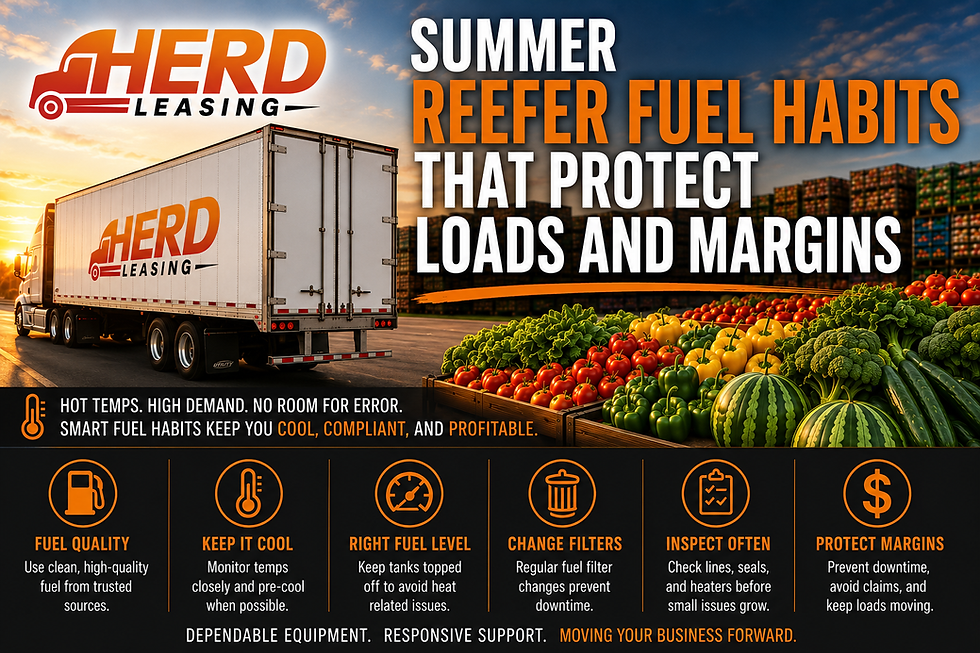
Summer is not the time to postpone maintenance. Dirty condenser coils, worn belts, and low refrigerant levels can reduce cooling efficiency and increase fuel usage. Preventive inspections help avoid roadside breakdowns during busy produce and food distribution season when repair delays can be especially costly.
7. Use the Right Trailer for the Freight Lane
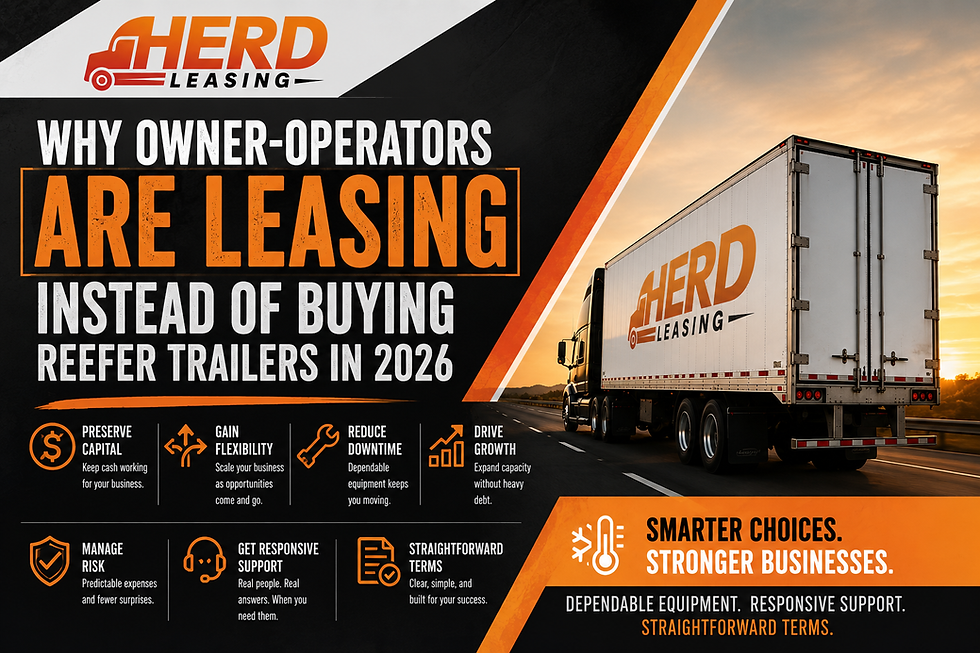
Not every freight lane requires the same trailer setup. Some operations benefit from newer high-efficiency reefer units, while others may need flexible leasing terms during seasonal produce surges. Matching equipment to the freight demand helps fleets avoid overspending while improving uptime and operational flexibility.
Final Thoughts
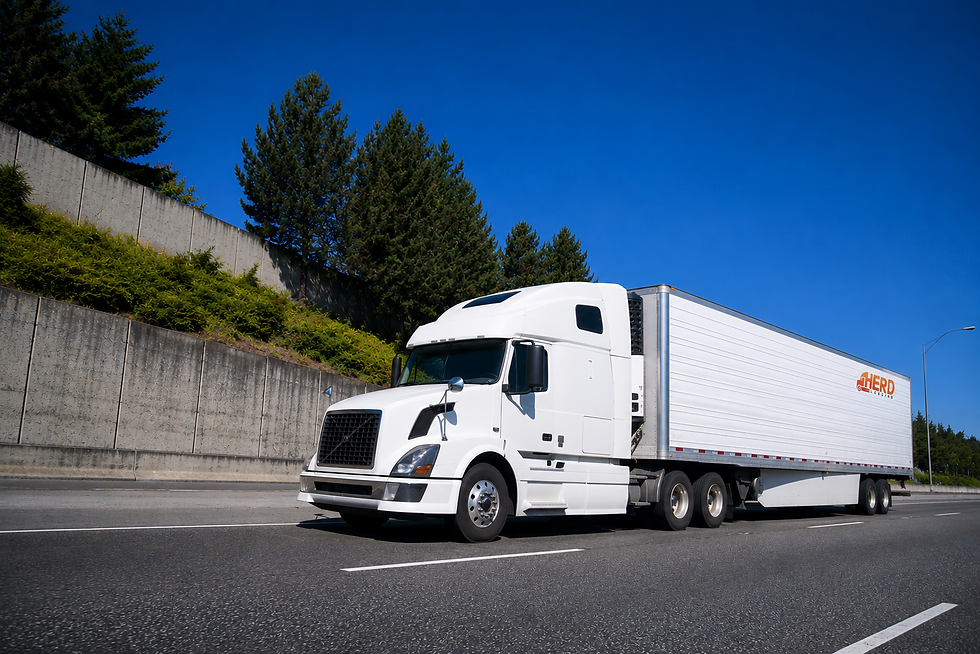
At HERD Leasing, we work with fleets and owner-operators who need dependable refrigerated trailer solutions for food distribution, agriculture, and temperature-sensitive freight. Reliable equipment, practical maintenance habits, and smart operational planning all play a role in improving profitability during peak shipping season.
Comments