Summer Reefer Fuel Habits That Protect Loads and Margins

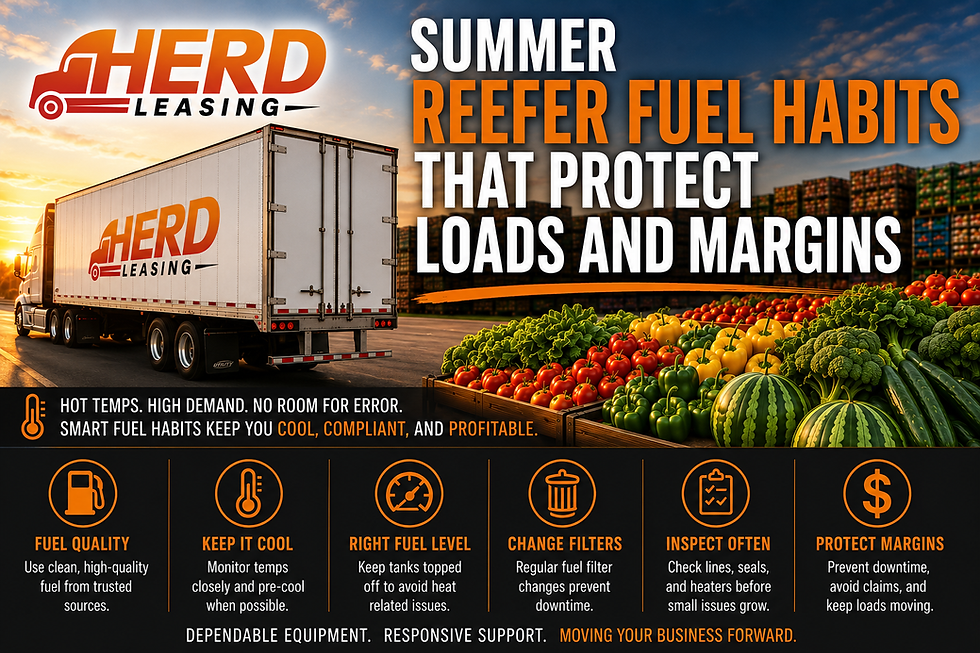
Hot weather has a way of finding every weak spot in a refrigerated operation. A trailer that performs well in mild weather may work much harder in summer traffic, long dock delays, and back-to-back food distribution runs. That makes reefer fuel habits more than a small maintenance detail. They are part of load protection, customer service, and margin control.
The good news is that better fuel discipline does not require a complicated system. Most fleets can reduce avoidable problems by tightening a few basic habits across drivers, dispatch, and yard operations.
Do Not Treat Reefer Fuel Like Tractor Fuel
Tractor fuel planning gets plenty of attention because it affects the driver immediately. Reefer fuel can be easier to overlook because the trailer keeps working quietly in the background until it does not. In summer, that gap can become expensive fast.
A smart operation checks reefer fuel before pickup, before long dwell time, before weekend parking, and before entering a lane where fuel stops are limited. Dispatchers should know which loads have the least room for error and make sure drivers are not depending on one perfect fuel stop at the end of the day.
Pre-Cooling Only Works When the Unit Is Ready
Pre-cooling is one of the simplest ways to protect temperature-sensitive freight, but it only works when the reefer unit has enough fuel and the trailer is ready to hold temperature. Drivers should verify fuel level, set point, airflow, door seals, and alarm status before arriving at the dock.
Rushing a trailer into a load before it is properly prepared can create problems that follow the shipment all the way to delivery. The load may still move, but the fleet has given away its margin for error.
Watch the Hidden Cost of Dwell Time
Long waits at cold storage facilities, grocery warehouses, and produce sheds can burn more reefer fuel than expected. When a trailer sits loaded through a hot afternoon, the unit keeps working even if the truck is not moving. That fuel cost belongs in the operating plan, not in the surprise column.
Good dispatch teams ask practical questions before assigning a load: How long does this shipper usually take? Is the receiver known for overnight delays? Will the trailer sit loaded over a weekend? Does the driver have realistic access to fuel and safe parking?
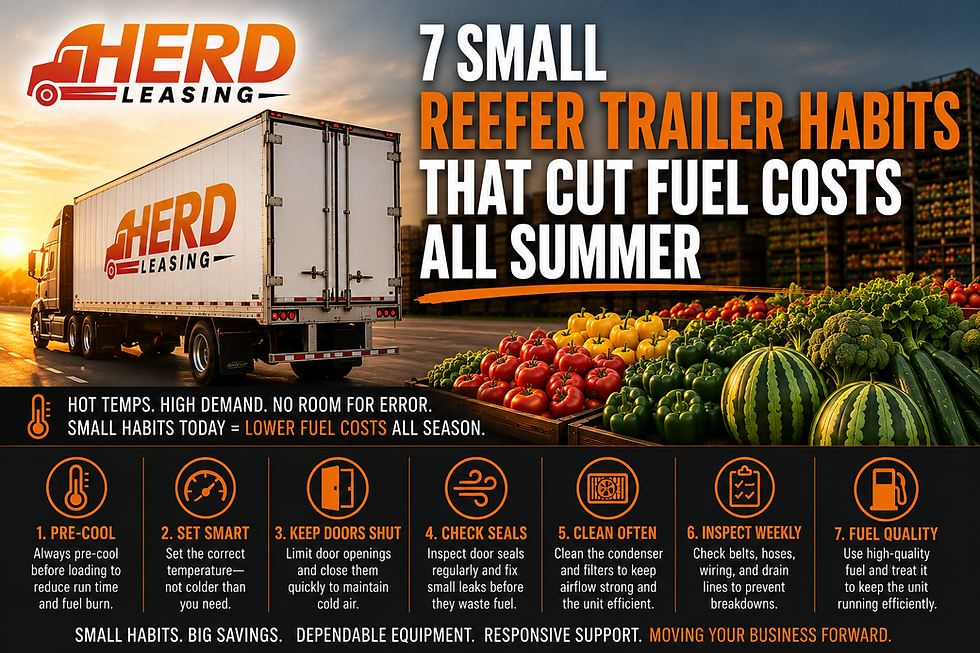
Small Habits That Save Money
Check reefer fuel before pickup, not after loading.
Record set point and alarm status before leaving the shipper.
Plan extra fuel margin for hot-weather dwell time.
Inspect door seals and airflow paths during daily checks.
Avoid assigning questionable equipment to high-value refrigerated freight.
Where Leasing Fits In
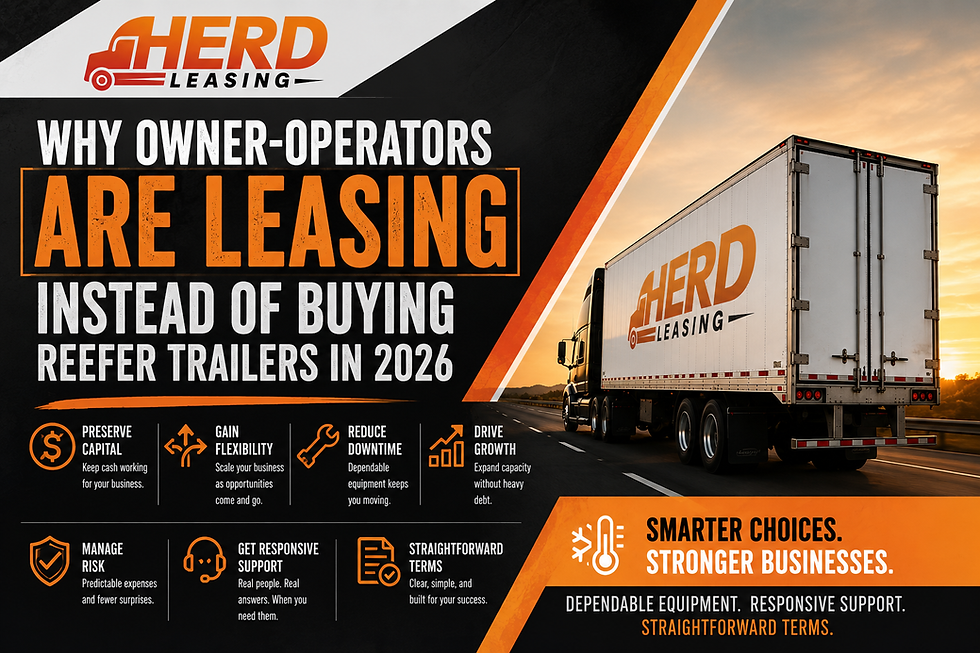
Seasonal demand can push fleets to run every trailer harder. When equipment is stretched thin, maintenance windows get smaller and backup options disappear. Short-term refrigerated trailer leasing can help fleets add capacity during busy weeks without forcing a permanent purchase for temporary demand.
The goal is not just having more trailers. It is having enough reliable reefer capacity to keep customer commitments, protect drivers from rushed decisions, and avoid using equipment that should be in the shop.
Bottom Line
Reefer fuel discipline is not glamorous, but it protects freight, margins, and relationships. Fleets that build simple checks into daily operations are usually better prepared for hot weather, long delays, and tight delivery windows.
HERD Leasing helps carriers, owner-operators, and food distribution fleets add refrigerated trailer capacity when seasonal demand requires more flexibility.

Comments