Why Summer Produce Season Breaks Weak Reefer Operations

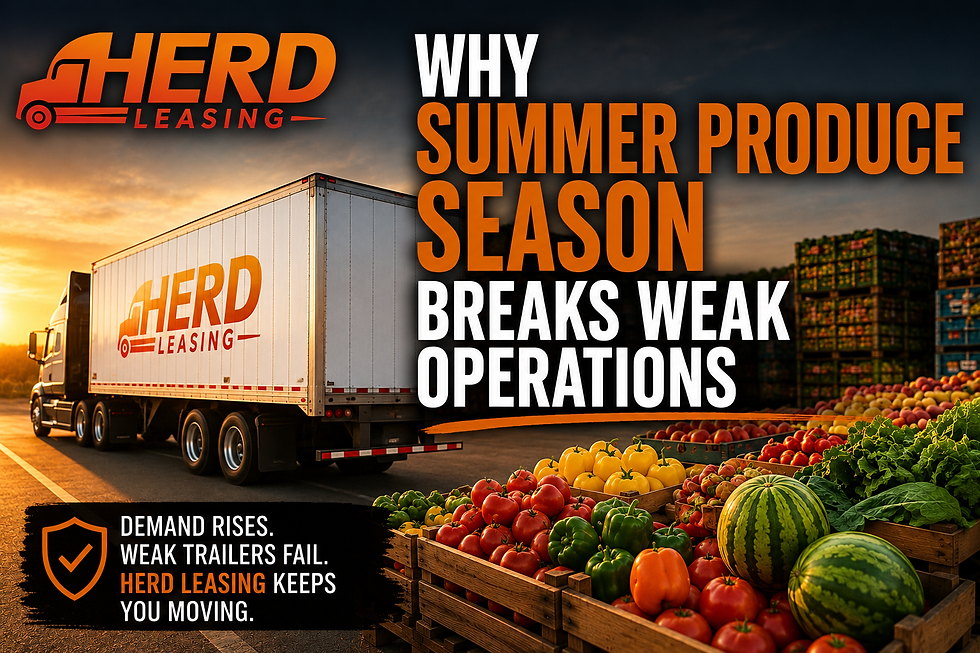
Every year, produce season exposes the difference between a reefer operation that is organized and one that is just surviving week to week. Freight volumes jump, temperatures climb, equipment gets pushed harder, and small mistakes suddenly become expensive problems.
A refrigerated trailer can look fine sitting in the yard and still fail once it spends ten straight days hauling produce through summer heat. Drivers get stretched thin, dispatchers chase appointments, and maintenance delays start stacking up. This is usually when weak systems begin costing real money.
Produce Freight Is Fast Freight
Fresh produce freight leaves very little room for delays. Most produce loads already have tight pickup windows, strict temperature requirements, and delivery appointments that ripple through warehouses and grocery distribution centers. A late arrival can create detention, rejected freight, or damaged relationships with brokers and shippers.
That pressure increases during peak season because everybody is chasing the same freight at the same time. Fuel islands get crowded. Repair shops stay backed up. Drivers run longer days. Good reefer operations understand that speed alone is not enough. Reliability becomes the real competitive advantage.
The Real Cost of Reefer Downtime
When a dry van breaks down, the shipment may still survive. When a reefer unit fails during a produce load, the clock starts immediately. Product temperatures drift fast in summer heat, and freight claims can become larger than the repair itself.
That is why preventive reefer maintenance matters more during produce season than almost any other time of year. Fuel systems, air circulation, door seals, belts, sensors, and temperature monitoring all deserve extra attention before the busy weeks arrive.
Small Operational Habits Save Big Money
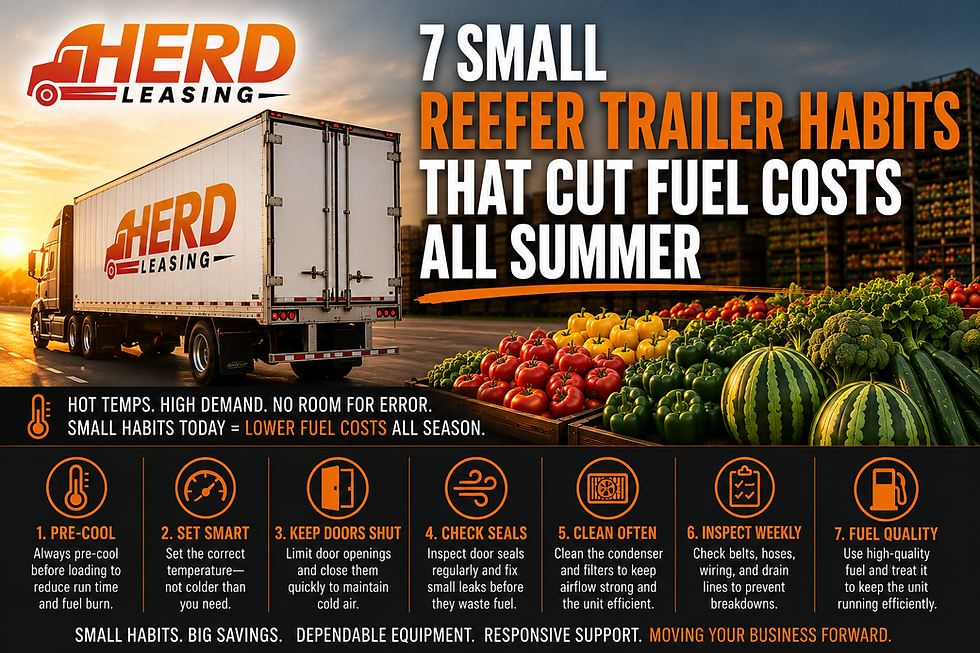
Most expensive produce-season problems begin as small habits that nobody corrected early enough. Drivers skipping pre-cooling. Dispatchers rushing load information. Yard teams ignoring damaged door seals. Reefer fuel getting overlooked during shift changes. Every shortcut eventually catches up when temperatures outside stay above ninety degrees.
Operations that stay profitable usually focus on consistency. They standardize pre-trip reefer checks, communicate load temperatures clearly, document maintenance issues immediately, and avoid pushing questionable equipment onto high-value produce loads.
How Leasing Helps During Seasonal Peaks
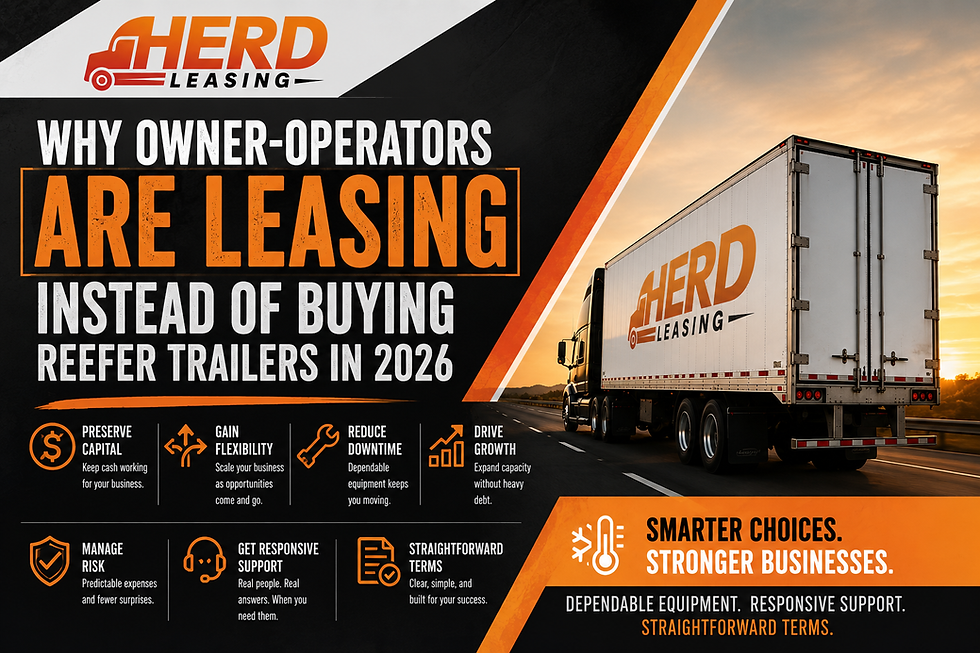
Produce season also creates a capacity problem. Many fleets suddenly need more refrigerated trailers than they needed during slower months. Buying permanent equipment for a short seasonal spike can strain cash flow and leave extra trailers sitting idle later in the year.
That is where short-term and seasonal reefer leasing can help. Leasing gives fleets flexibility to handle produce surges, temporary contracts, or regional harvest spikes without taking on a full long-term equipment purchase. For owner-operators and smaller carriers, it can also reduce the risk of overextending during unpredictable freight cycles.
Driver Wellness Matters More Than Most Fleets Admit
Summer reefer freight is physically demanding. Drivers deal with heat, irregular schedules, overnight appointments, and long waits at produce facilities. Fatigue increases when drivers constantly fight rushed schedules and unpredictable loading times.
Simple habits help more than most people think: staying hydrated, planning realistic rest breaks, keeping healthier food in the truck, and avoiding unnecessary overnight dispatch chaos. Better driver routines usually lead to fewer preventable mistakes, fewer damaged loads, and better customer relationships.
Practical Produce Season Checklist
Pre-cool trailers before loading temperature-sensitive freight.
Inspect door seals, drains, airflow chutes, and reefer fuel daily.
Avoid assigning questionable equipment to high-value produce loads.
Document reefer alarms and maintenance concerns immediately.
Build realistic appointment schedules that allow drivers proper rest.
Bottom Line
Produce season rewards disciplined reefer operations. The fleets that consistently make money are usually not the biggest. They are the ones that stay prepared, communicate clearly, maintain equipment aggressively, and protect both drivers and freight from unnecessary stress.
HERD Leasing helps refrigerated fleets and owner-operators add reefer capacity during seasonal demand spikes without forcing long-term equipment commitments.
Comments